


Europe’s aviation sector is heading into a more fragile supply period, with the latest reporting indicating that while there is no immediate physical shortage of jet fuel across the European Union, the region is becoming increasingly exposed to disruption if Middle East flows remain constrained. Reuters reported this week that the European Commission said there is currently no evidence of a jet fuel shortage in the EU, but supply issues could emerge in the near term, while the International Energy Agency has warned that physical shortages could begin by June under a weaker replacement scenario.
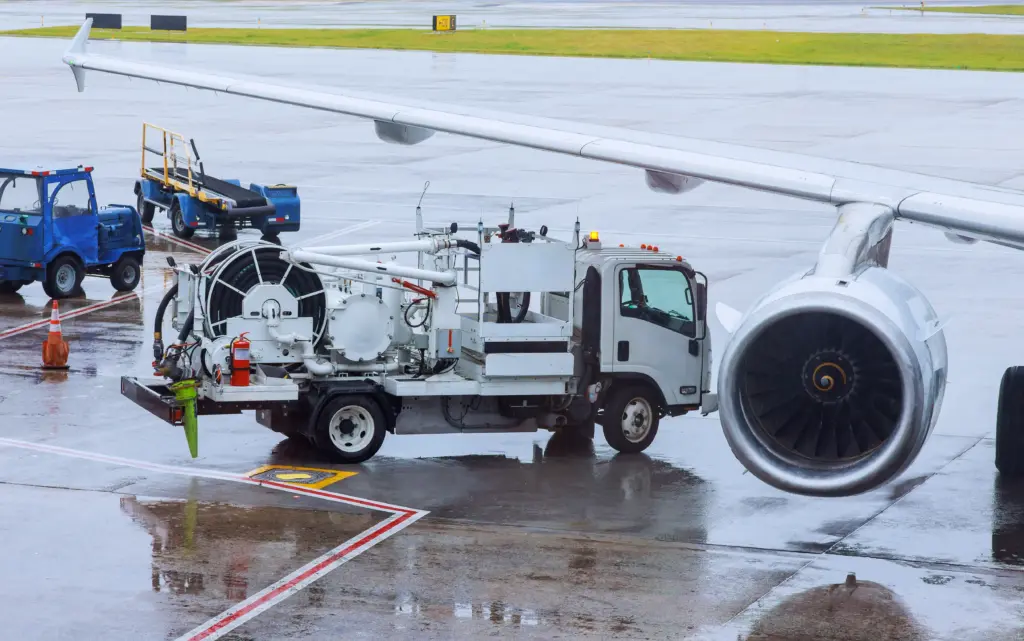
The sharp concern centres on Europe’s heavy reliance on imported aviation fuel. According to Reuters, the region consumed about 1.6 million barrels per day of jet fuel last year, importing roughly 500,000 barrels per day, with around 75% of those imports sourced from the Middle East. That dependence has left Europe particularly vulnerable to the disruption of tanker flows through the Strait of Hormuz, a chokepoint that has become central to the present supply shock.
The most striking warning came from IEA Executive Director Fatih Birol, who told the Associated Press that Europe has “maybe 6 weeks or so” of jet fuel left if the present disruption continues, adding that flight cancellations could begin soon. That warning, however, needs to be read alongside the Commission’s position that no EU-wide shortage exists at present, underscoring that the market is under pressure but not yet at the point of systemic failure.
Reuters’ reporting suggests the market is already tightening materially. Europe is now drawing record inflows of jet fuel from the United States and Nigeria as it tries to replace missing Gulf volumes, with April arrivals from the U.S. seen at roughly 149,000 to 200,000 barrels per day and Nigerian volumes at about 66,000 barrels per day. Even so, those replacement flows are not enough to fully offset the lost supply, and jet fuel stocks in the Amsterdam-Rotterdam-Antwerp hub have fallen to their lowest level since March 2023.
The risk is no longer theoretical for airlines. Reuters reported that KLM has already cancelled 160 European flights over the coming month because of rising fuel costs, although the carrier said it is not experiencing a physical shortage of jet fuel. That distinction matters: the first visible impact may be higher costs, trimmed schedules and network adjustments before outright shortages appear at airport level.
European authorities are now working on contingency measures. Brussels is drafting plans to map refinery capacity across the bloc and maximise output, while airlines have asked for closer monitoring of jet fuel supplies and consideration of joint kerosene purchasing. The underlying problem is structural as much as geopolitical: Europe’s refining capacity has declined in recent years, leaving the region with fewer buffers at exactly the moment supply chains are under strain.
The near-term outlook is therefore uncomfortably clear. Europe is not out of jet fuel today, but it is operating with a narrowing margin for error. If replacement supply improves and Gulf flows resume, the immediate crisis may ease into a price shock. If not, the region could move from expensive fuel to genuine scarcity just as the summer travel season gathers pace.