

An industry already struggling to wean itself off fossil fuels is now staring down the barrel of the worst energy shock in a generation. With jet fuel doubling in weeks and SAF barely scratching 1% of supply, the path to Net Zero by 2050 has never looked longer, or more urgent
IATA’s commitment to achieve net zero carbon emissions by 2050 ratified by member airlines was always ambitious. It would cost an estimated $4.7 trillion and would demand extraordinary cooperation between governments, fuel suppliers, and airlines. Four and a half years on, that ambition is being stress-tested by circumstances that no roadmap fully anticipated. In the spring of 2026, the global aviation industry finds itself at the collision point of two seismic forces: a long-term failure to scale the green technologies needed to decarbonise flight, and a short-term energy shock of historic proportions one that exposes, with brutal clarity, just how dangerously dependent on crude oil commercial aviation remains.
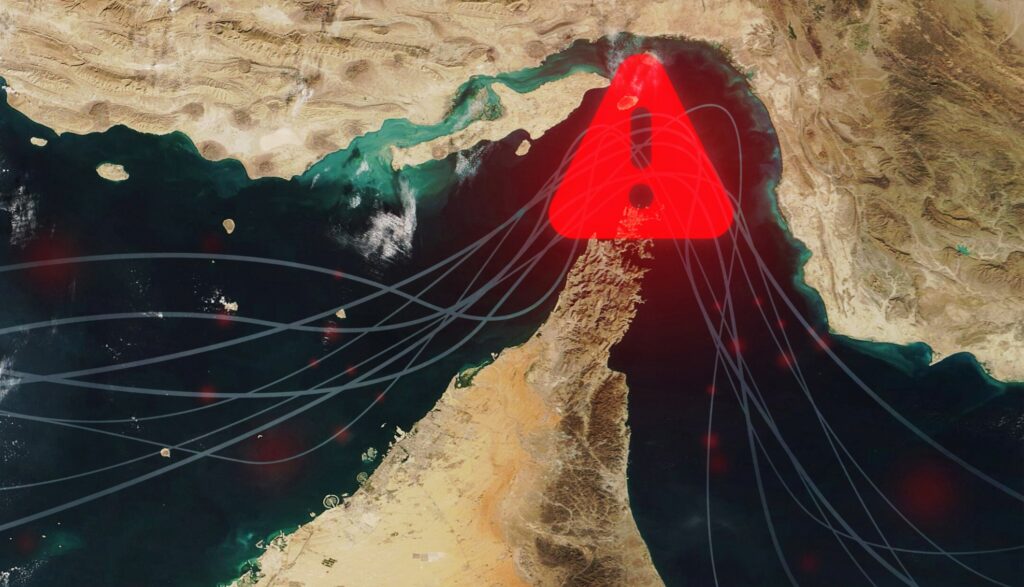
The Strait that broke the budget
The catalyst for the current crisis is the effective closure of the Strait of Hormuz. The escalation of the Iran war, and the subsequent constraint on tanker movements through the strait, has produced an energy shock that the IEA’s Fatih Birol has warned is “the largest energy crisis we have ever faced.” For airlines, whose fuel bill typically constitutes between 25% and 30% of all operating costs, the impact has been immediate and severe. The Strait accounts for approximately 40% of Europe’s jet fuel imports. As Amaar Khan, Head of European Jet Fuel Pricing at Argus Media, has stated bluntly. “No jet fuel has passed the strait since the war broke out.” Even if the waterway were to reopen tomorrow, analysts at energy consulting firm Kpler suggest supply normalisation will take until at least July meaning the damage to airlines’ summer schedules and balance sheets is already largely locked in.
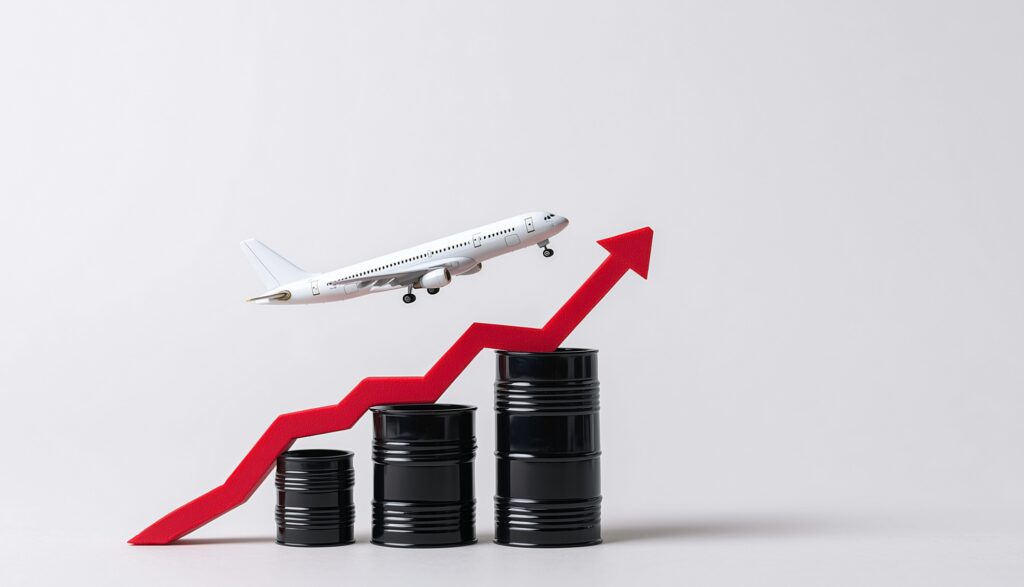
The cruel paradox of energy transition
There is a particular cruelty to the current situation for airlines sincerely pursuing decarbonisation. The same oil market volatility that is forcing carriers to slash schedules and haemorrhage cash is simultaneously making it harder not easier to invest in the transition. Airlines operating on razor-thin margins (IATA forecasts a 3.9% net margin for the global industry in 2026, even before the current crisis) have little capital to redirect towards SAF procurement at four times the conventional price, or to fund the research and development of next-generation propulsion. When fuel costs double overnight, the board conversation shifts from long-term decarbonisation to immediate survival. This is the oil dependency trap in its purest form. Every dollar spent firefighting the fuel crisis is a dollar not invested in escaping it.
The SAF Gap
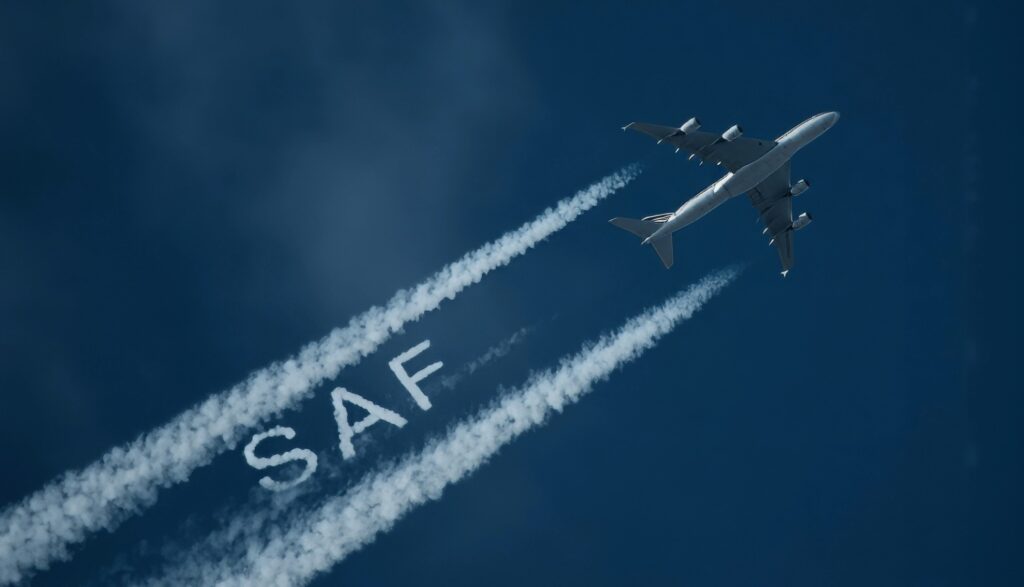
The acute fuel shock of 2026 has thrown into sharp relief a structural problem that pre-dates the Iran conflict by years and aviation’s chronic failure to transition to cleaner fuels at anything approaching the pace required. Sustainable aviation fuel produced from feedstocks including used cooking oil, agricultural waste, and synthetic processes is the cornerstone of IATA’s decarbonisation strategy. IATA projects that SAF must contribute around 65% of the emissions reductions needed to reach net zero by 2050. The blunt reality, as of today, is that the industry is nowhere near that trajectory. In 2024, SAF cost on average 3.1 times the price of conventional jet fuel. By 2025, IATA estimates that premium has risen to 4.2 times — largely because of compliance fees levied by European fuel suppliers hedging their exposure to ReFuelEU mandates. SAF added $1.6 billion to the global airline fuel bill in 2024. In 2025, that figure is expected to reach $3.6–4.5 billion.
Is Net Zero 2050 still achievable?
In the current scenario, the net zero 2050 goal is at serious risk of not being met on time but it is not yet beyond reach. The feedstock is there. An IATA study published in September 2025 confirmed that sufficient sustainable feedstock exists globally to produce the SAF volumes aviation will need by 2050. The problem is not the raw material; it is the pace of technology rollout and the absence of the policy environment needed to fund it. The demand is there. Air passenger numbers continue to grow and IATA projects global passenger journeys could exceed 10 billion by 2050. Demand destruction from a fuel crisis is temporary. The structural growth of aviation is not. What is currently missing is the political will and coordinated investment to bridge the gap between the SAF the industry has today (less than 1% of consumption) and the SAF it needs (65% of emissions reductions). The current energy shock, paradoxically, may prove to be the forcing function that finally moves governments to act. A world in which airlines are grounding planes because of a Middle East conflict is also a world that should be urgently motivated to break its dependence on crude oil.
The aviation industry’s net zero journey is not a straight line, it never was. But the spring of 2026 has compressed years of strategic risk into a single, brutal, real-time demonstration of what fossil fuel dependency actually looks like, grounded routes, surging fares, panicked boardrooms, and an industry lurching from one geopolitical shock to the next.