

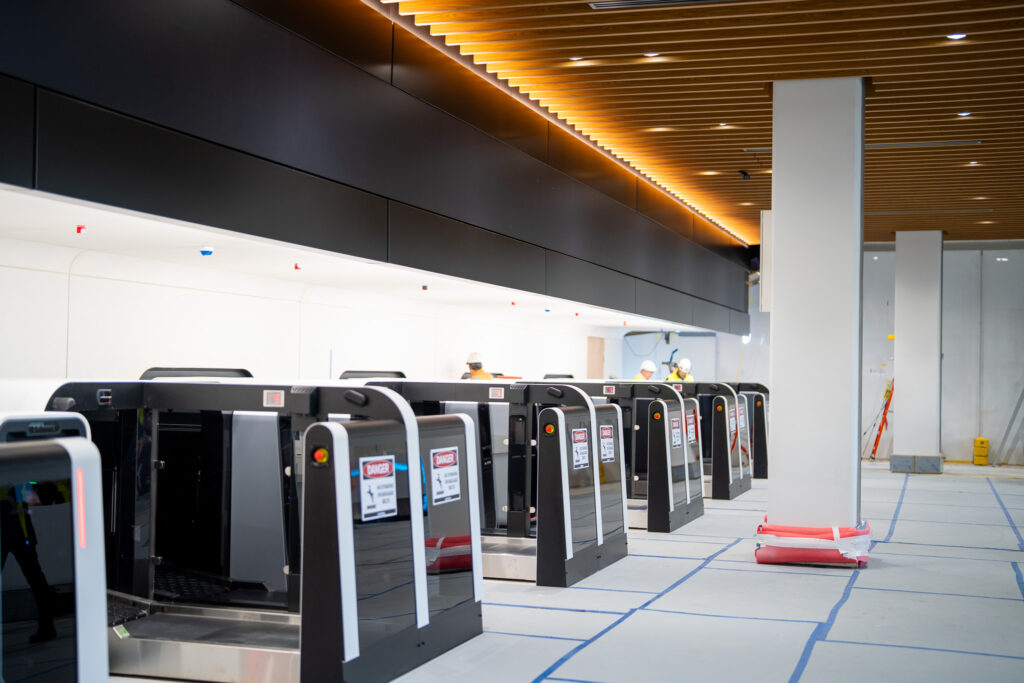
Auckland Airport’s new domestic jet terminal has reached the halfway point of construction, and the airport says it remains on track to have passengers moving through the building by the end of 2029.
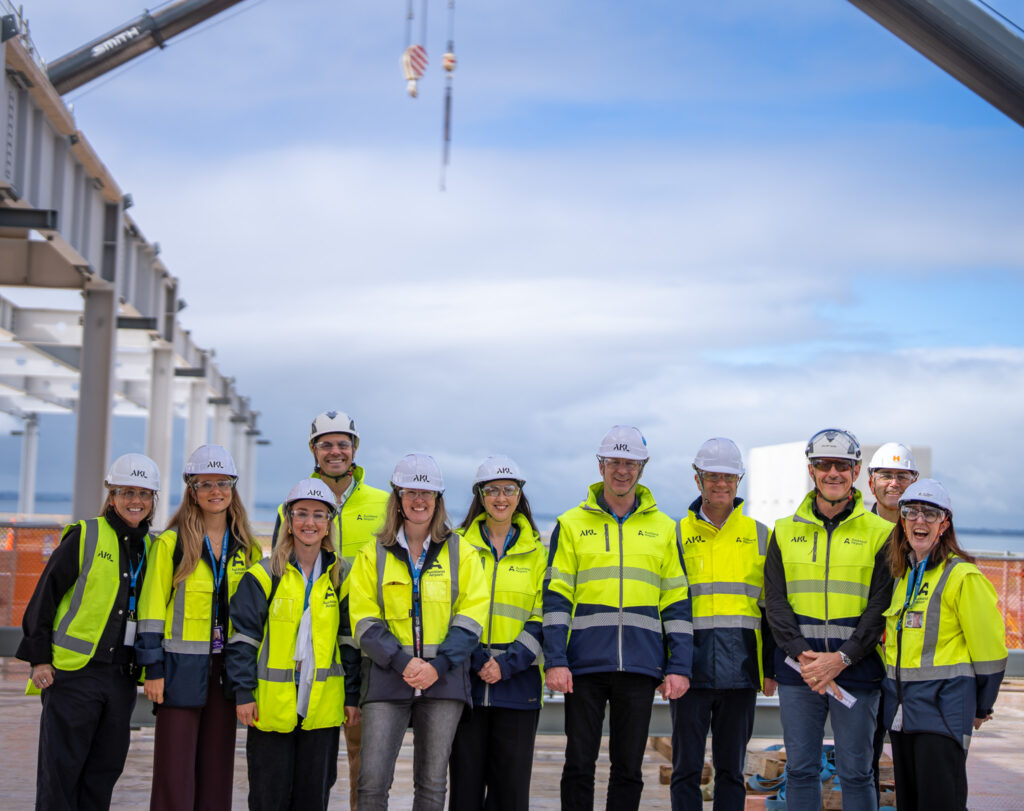
Speaking on the pier of the new terminal, Auckland Airport’s Scott Tasker said the project would end a separation that has defined the airport for half a century. “One of the really important things about this terminal integration programme is that we’ll be bringing together, for the first time since the 1970s, domestic jet and international aircraft movements,” he said.
For travellers, that means a passenger flying Wellington to Los Angeles will check in once at Wellington, land at the domestic jet pier, and transfer to the international side under the same roof, with bags connecting through an entirely new baggage system. “It’s going to be quite a transformation versus what we have today,” Tasker said, acknowledging that while some travellers enjoy the fresh air of the green line walk between terminals, what they really want is seamless connections.
Capacity for growth
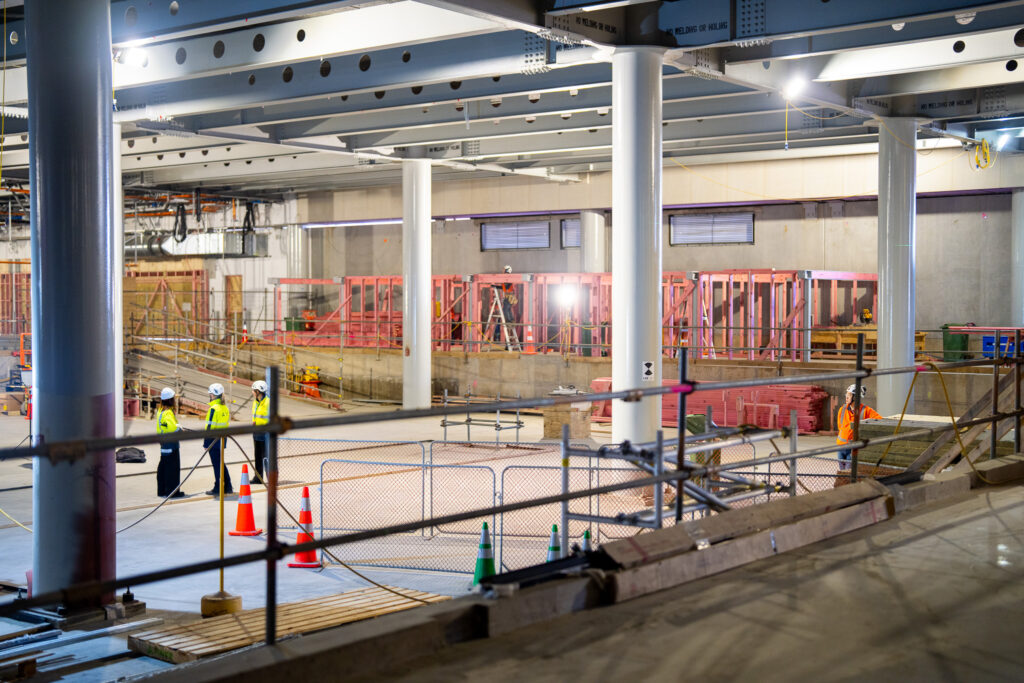
The terminal has been designed around growth. Tasker said the new 12 gate facility will deliver 26 per cent more gate capacity and the ability to process 44 per cent more passengers. Around 20,000 people pass through the nearly 60 year old domestic terminal every day, and it is already full at peak times, with passenger numbers expected to double by the mid 2040s.
“Aviation is buffeted in the short term by fuel price issues, demand issues, geopolitics, but those are usually short term, and we know that travel tends to grow over time,” Tasker said, pointing to the rising middle class across the Asia Pacific region. “Our second largest export earning industry is tourism. To grow tourism over time we need more planes coming in here, so we need more airport capacity.”
Comfort first
Inside, the focus is on the basics done well. Tasker described comfortable seating, places to charge devices, new food and beverage and retail offerings in the head house, and airline lounges within the integrated terminal.
Decarbonising the build
Sustainability has been built into the structure itself. The large gas fired boilers that traditionally heated the terminals are being removed and replaced with some of the largest heat pumps in the country, running on New Zealand’s largely renewable electricity. The pier flooring is laminated timber manufactured by Red Stag Timber in Rotorua, reducing the volume of more carbon intensive concrete. Solar arrays are already operating on the airport’s transport hub and at the Manawa Bay premium outlet centre.
The cost question
The project does not come cheap. The new domestic jet terminal is expected to cost $2.2 billion, with a further $1.7 billion to integrate domestic and international travel. Airlines has previously criticised the airport’s spending on new projects, and domestic jet charges are moving from $10.25 to $15.45 per passenger by 2027. How those costs flow through to fares will be the question to watch as 2029 approaches.