

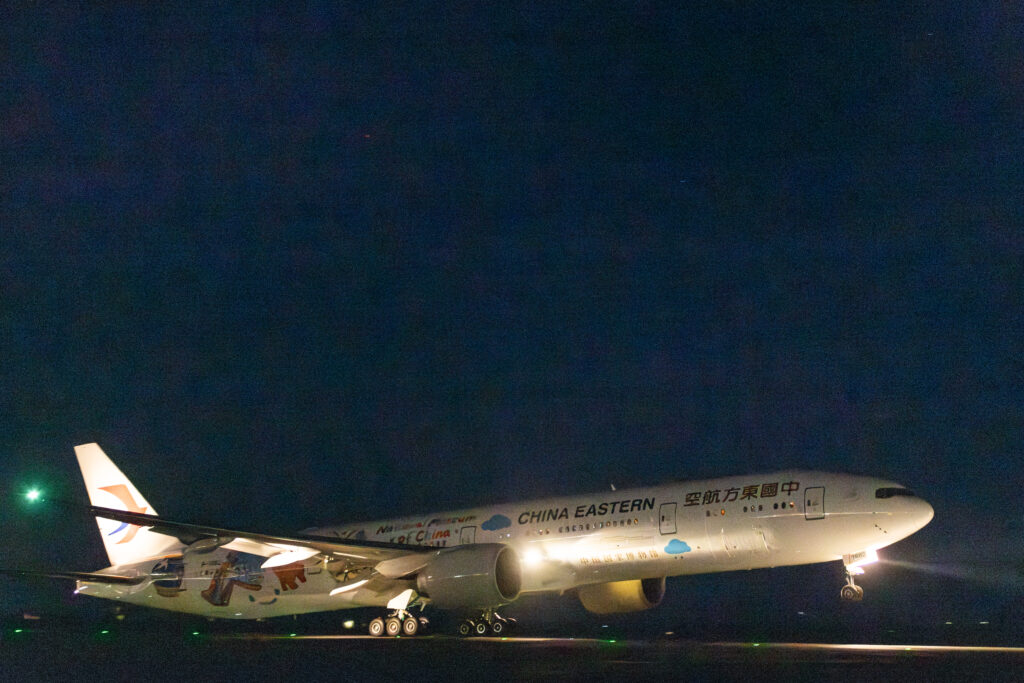
New Zealand’s position as a bridge between Asia and South America has taken a significant step forward with the launch of China Eastern Airlines’ new Shanghai–Auckland–Buenos Aires service.
Operating twice weekly, the service connects China Eastern’s Shanghai Pudong mega hub with Auckland Airport and onwards to Buenos Aires Ezeiza, reinstating a direct New Zealand–Argentina link for the first time since before the pandemic.
Auckland Airport Chief Executive Carrie Hurihanganui said the new route brings tangible benefits for New Zealand’s visitor economy, exporters and international engagement.
“This is a strategic and important connection for New Zealand because it deepens our aviation links with China and re-establishes our direct access to Buenos Aires, Argentina. It strengthens global mobility for travellers, opens new opportunities for exporters and education providers, and supports a more resilient, diversified aviation network for the country.”

China Eastern has been a long-standing Auckland partner and is now the largest Chinese carrier serving New Zealand, linking Auckland with Shanghai, Hangzhou, Sydney and now Buenos Aires across three continents. Ms Hurihanganui said the new service reflects “a long-standing and trusted partnership” and creates fresh commercial, cultural and tourism opportunities across all three regions.

The full journey takes around 25.5 hours from Shanghai to Buenos Aires and up to 29 hours on the return, with a scheduled two-hour Auckland transit. Travellers can choose to connect straight through or break their journey in New Zealand. The airline treats it as a single direct service, placing Auckland at the centre of one of global aviation’s most ambitious long-haul links.
The route is expected to stimulate high-value visitation from both China and Argentina, provide New Zealanders with a competitive new option to South America, and support air freight growth. Recent figures show air trade between New Zealand and South America reached NZ$129 million in the year to October 2025, up 11 per cent year-on-year, while passenger volumes between the two regions remain below pre-pandemic levels, underscoring the growth potential.